Source Saw Palmetto Powder Extract for Supplements, Cosmetics, and Health
Find 30 verified suppliers of saw palmetto powder extract for dietary supplements, cosmetic formulations, and herbal health products. Compare specifications, certifications, and pricing to identify the right source for your business needs; compare the available evidence and request quotations based on your requirements.
Key considerations
Products List





Comprehensive Sourcing Guide
Saw Palmetto Powder Extract Sourcing Guide
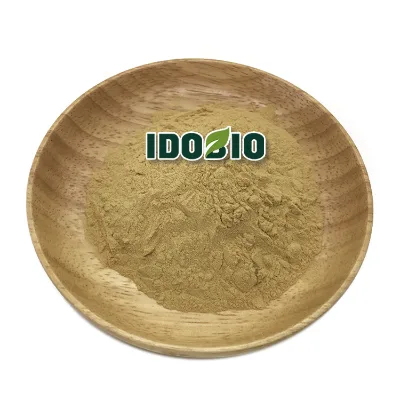
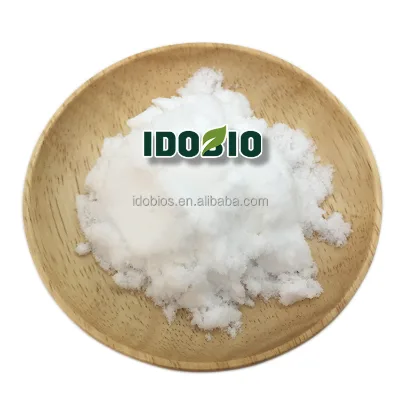
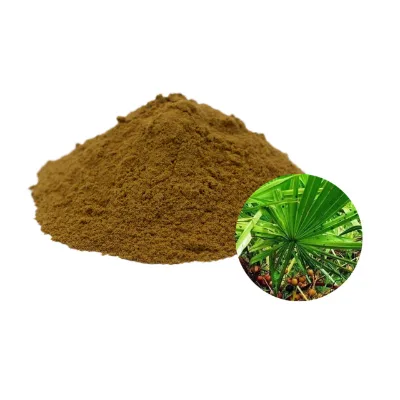
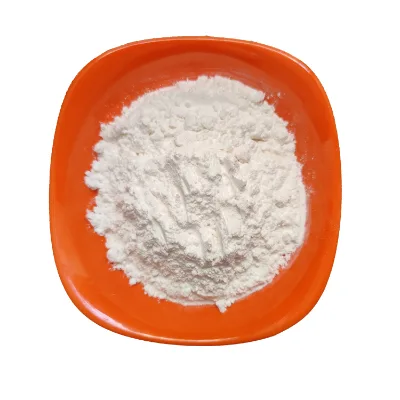
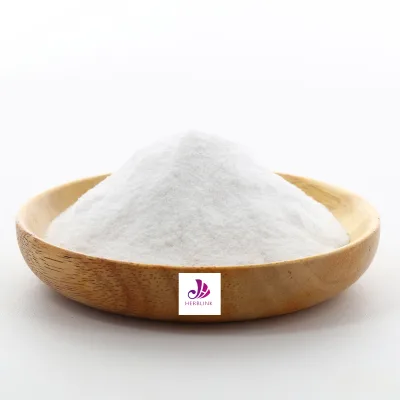
Buyers must first distinguish between the two primary physical forms observed in the market, as appearance directly impacts formulation compatibility. Listings indicate a brown powder derived from the fruit, which is standard for solvent extraction processes targeting fatty acids, while other entries describe a white fine powder that may represent a different grade or processing stage. Procurement teams should verify the specific color and texture against their internal quality standards before ordering, as the visual discrepancy suggests variations in purity or extraction efficiency that could affect the final product's stability.
The core application for this botanical material spans food supplements and general health care products, requiring strict adherence to the intended use case. Sourcing decisions should prioritize suppliers who explicitly list the product as suitable for these specific categories, ensuring the raw material aligns with regulatory frameworks for ingestible goods. Buyers should confirm that the extraction type, typically solvent-based, matches their manufacturing capabilities and that the resulting powder integrates seamlessly into their existing production lines without requiring additional purification steps.
Product Scope and Observed Listing Signals
The market presents a wide range of specifications, with observed assay standards varying significantly from 25% to 85% fatty acid content. Procurement teams must carefully review the listed specification, such as the 30:1 ratio or specific percentage ranges like 25% and 45%, to ensure the concentration meets their formulation requirements. Relying on a single generic listing is risky; instead, buyers should request detailed assay certificates for the specific batch to confirm that the actual fatty acid content aligns with the advertised standard before committing to a purchase.
Packaging and supply capacity are critical logistical factors that influence the feasibility of large-scale orders. While some listings offer flexible packaging in aluminum foil bags or cardboard boxes, others specify industrial drums for bulk transport, with supply abilities ranging from 5000 kilograms per month to smaller batch capabilities. Buyers should assess whether the supplier's packaging method, such as vacuum packing or drum storage, protects the product during transit and whether their monthly output can sustain their projected demand without causing supply chain bottlenecks.
Technical Specifications to Verify
Verification of the active ingredient profile is essential, as the primary functional component is identified as fatty acids within the fruit extract. Buyers should demand test reports that explicitly quantify the fatty acid percentage, noting that observed standards include 25%, 45%, and 85% variations. It is crucial to confirm which specific fatty acids are present and in what ratios, as this data determines the therapeutic efficacy of the extract and ensures it meets the precise chemical profile required for the intended health application.
Analytical methods used to verify purity and potency vary across suppliers, with some utilizing UV spectroscopy while others employ more advanced techniques like HPLC, GPC, or HPLC-MS. Procurement teams must insist on a test method that matches their internal quality assurance protocols, as the choice of assay directly impacts the reliability of the data. Confirming that the supplier uses a recognized method such as HPLC for the final product ensures that the reported specifications are accurate and reproducible, reducing the risk of receiving substandard material.
Compliance and Safety Documentation
Certification status serves as a primary indicator of a supplier's commitment to quality management and regulatory compliance. The market data shows a spectrum of certifications, ranging from basic ISO accreditation to comprehensive suites including HACCP, FDA, BRC, and RoHS. Buyers should verify that the specific certifications held by the supplier are valid and relevant to their target market, as the presence of multiple certifications often indicates a more robust quality control system capable of meeting diverse international regulatory requirements.
Storage and shelf life parameters are vital for maintaining the integrity of the botanical extract throughout the supply chain. Most listings specify a shelf life of 24 months or two years, provided the product is stored in a cool, dry place. Procurement contracts should explicitly state these storage conditions to prevent degradation, and buyers must ensure that their logistics partners can maintain the required environment from the point of dispatch through to the final destination to preserve the product's potency and safety.
Cost Drivers and Commercial Terms
Minimum Order Quantities (MOQ) represent a significant barrier to entry for smaller buyers, with observed ranges spanning from 1 kilogram to 1000 kilograms. Buyers should negotiate terms that align with their inventory strategy, noting that some suppliers offer a 1kg MOQ for sampling or trial runs while others require bulk commitments. Understanding these thresholds is essential for budgeting, as the cost per unit often decreases with volume, but the initial capital outlay increases significantly with higher MOQ requirements.
Pricing structures are influenced by the concentration of active ingredients and the complexity of the extraction process. While specific unit prices are not universally fixed, the cost is driven by the specification level, such as the difference between a 25% and an 85% fatty acid extract. Buyers should request detailed quotes that break down costs based on the desired specification and packaging type, ensuring that the final price reflects the true value of the active content and the associated quality assurance measures.
Supplier Qualification and Quality Control
Supplier location and origin play a role in logistics and potential regulatory hurdles, with production centers identified in Shaanxi, Xi'an, and Shanxi provinces. Buyers should evaluate the proximity of the manufacturing site to major ports like Tianjin, Shanghai, or Qingdao to optimize shipping times and costs. Additionally, verifying the specific origin helps in assessing the consistency of the raw material source, as regional variations in the Saw Palmetto fruit can influence the final extract's chemical profile and overall quality.
Customization services and sample availability are key differentiators for suppliers willing to partner on specific project needs. Many listings indicate that customized services are available, allowing buyers to tailor the extract to their unique formulation requirements. Furthermore, the offer of free samples enables buyers to conduct their own internal testing before placing a large order, providing a practical method to validate the supplier's claims regarding appearance, solubility, and assay results prior to finalizing the commercial agreement.
Long-Term Procurement Checks
Establishing a reliable supply chain requires ongoing monitoring of the supplier's ability to maintain consistent quality over time. Buyers should implement a schedule for periodic re-testing of incoming batches to ensure that the fatty acid content and physical appearance remain within the agreed-upon specifications. This proactive approach helps identify any drift in quality early, allowing for corrective actions before the material impacts the final product's performance or regulatory compliance status.
Reviewing the supplier's track record for meeting delivery timelines and maintaining stock levels is crucial for long-term operational stability. Given the supply ability of 5000 kilograms per month, buyers should assess whether the supplier has the capacity to scale up during peak demand periods without compromising quality. Regular communication regarding production schedules and potential disruptions ensures that the procurement team can anticipate and mitigate any risks that might affect the continuity of the supply chain.
FAQs
What is the typical appearance of saw palmetto extract powder?
The product appears as a brown or white fine powder depending on the specific grade and extraction method. Standard specifications include 25%, 45%, or 85% fatty acid content. The visual consistency ensures easy integration into various supplement formulations while maintaining high purity standards for health care applications.
Can I request custom packaging for bulk orders?
Yes, customization is available for packaging requirements. Standard options include 1kg bags, 25kg drums, aluminum foil bags, cardboard boxes, or wooden barrels. Vacuum packing is also utilized to preserve freshness. Buyers can specify their preferred packaging dimensions to suit their logistics and storage needs effectively.
What certifications are held by these manufacturers?
Manufacturers typically hold ISO, HACCP, FDA, BRC, and RoHS certifications. These credentials ensure compliance with international quality and safety standards for food and health products. Buyers can verify specific documentation to meet regulatory requirements in their target markets, ensuring the supply chain remains robust and trustworthy.
What is the minimum order quantity for samples?
The minimum order quantity is generally 1kg, and free samples are often available for evaluation. This low MOQ allows buyers to test product quality before committing to larger purchases. The supply ability supports up to 5000 kilograms per month, ensuring scalability for both small trials and large industrial orders.
How should the powder be stored to maintain shelf life?
Store the powder in a cool, dry place to maintain its quality. The shelf life is typically 24 months or two years when stored correctly. Proper storage prevents degradation of the fatty acids and ensures the extract remains effective for use in food supplements and health care products throughout its designated period.
Which extraction method is used for this saw palmetto extract?
Solvent extraction is the primary method used to produce this extract. The process targets the fruit part of the saw palmetto plant. Analytical methods such as UV, HPLC, GC, and HPLC-MS are employed to verify the assay and ensure the final product meets the specified fatty acid concentration standards.